Sahin Ozsoy, PhD
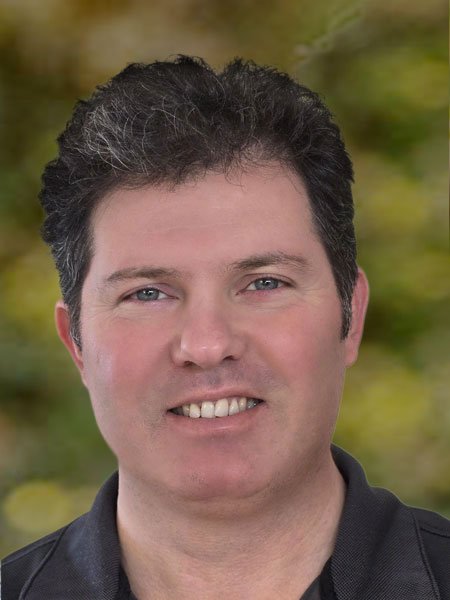
Dr. Sahin Ozsoy, is an Electrical Engineer and physicist specializing in electromagnetics, signal processing, algorithm development, and real-time / post recording multi-channel physiological data processing. At Neurofield, he leads the development of high-performance software and hardware solutions for multi-modal neurophysiological acquisition, analysis, neurofeedback and neurostimulation systems.
With more than 27 years of experience in engineering, research, software architecture, and embedded systems development, Dr. Ozsoy brings extensive expertise in multichannel data processing, electromagnetic systems, signal analysis, and real-time computational platforms. His work spans the full engineering lifecycle, including hardware integration, embedded programming, algorithm optimization, and development of scalable analytical tools for neuroscience applications.
Prior to entering the neuroscience field, Dr. Ozsoy spent 17 years in the defense industry developing electronic warfare systems and electromagnetic technologies for the Turkish Navy and NATO. His assignments included the Turkish Navy Research Center in Istanbul and the NATO Seasparrow Project Office in Arlington, Virginia. He later led the Electronics and Weapons Department at the Turkish Navy Headquarters, retiring in 2018 with the rank of Navy Commander (Engineer).
Today, Dr. Ozsoy focuses on advancing neurotherapy and neuroscience through innovative engineering solutions that support brain research, cognitive enhancement, and the treatment of neurological disorders in both children and adults.
Presenting: From Clinical Practice to Large-Scale Insights: Lessons from the Neurofield Clinical Database
The increasing availability of EEG and other neurophysiological data has created new opportunities to better understand brain function across diverse clinical populations. Over the past three years, the Neurofield Clinical Database has evolved from an initial concept into a growing real-world clinical resource containing approximately 5,000 subjects and more than 7,000 recording sessions. This presentation will discuss the development of the database, including the practical challenges of large-scale clinical data collection, standardization, quality control, and longitudinal integration within a neurotherapy setting.
The presentation will also review two commonly used approaches to EEG analysis: The first approach relies on manual artifact editing combined with normative database comparisons and Z-score analysis, emphasizing clinician-guided interpretation and individualized assessment. The second approach focuses on automated signal-processing pipelines designed for scalability, reproducibility, and high-throughput analysis. Strengths, limitations, and practical considerations of both methods will be discussed in the context of clinical neurotherapy workflows.
The second half of the presentation will focus on what can be learned from large-scale EEG datasets. Using aggregated findings from the Neurofield Clinical Database, the session will explore patterns and trends observed across the clinical population. Results will be presented in an interactive “Fact or Fiction?” format, examining common assumptions and controversial topics in EEG analysis and neurotherapy. The goal is to encourage critical thinking about data interpretation, clinical relevance, and the future role of large clinical databases in advancing evidence-informed neurotherapy practice.
Education Level: INTERMEDIATE
Content builds upon the learner's foundational knowledge, familiarity with the literature and/or experience in a content area. Programming at this level includes more depth than at a beginning level program. It could also serve as a refresher course for individuals who have a background in a content area and are interested in learning more contemporary applications. The primary goal of this particular program is to broaden the clinical, consultative, and research knowledge bases of attendees and was deemed intermediate, by the definition above. For those psychologists using the modality of biofeedback and interested in efficacy, science, and latest clinical applications. This conference presents research relevant to psychological practice, education, and science; (2) it is our intention to host an offering to help psychologists to keep up with the most current scientific evidence regarding assessment, intervention, and education; and (3) we believe that this program would allow psychologists to increase competencies to improve services to patients. This conference is IN NO WAY a substitute for the basic academic education and training needed for entry into the field of psychology.