
Dave Siever, CET and John LeMay, PhD, QEEGD, MFT
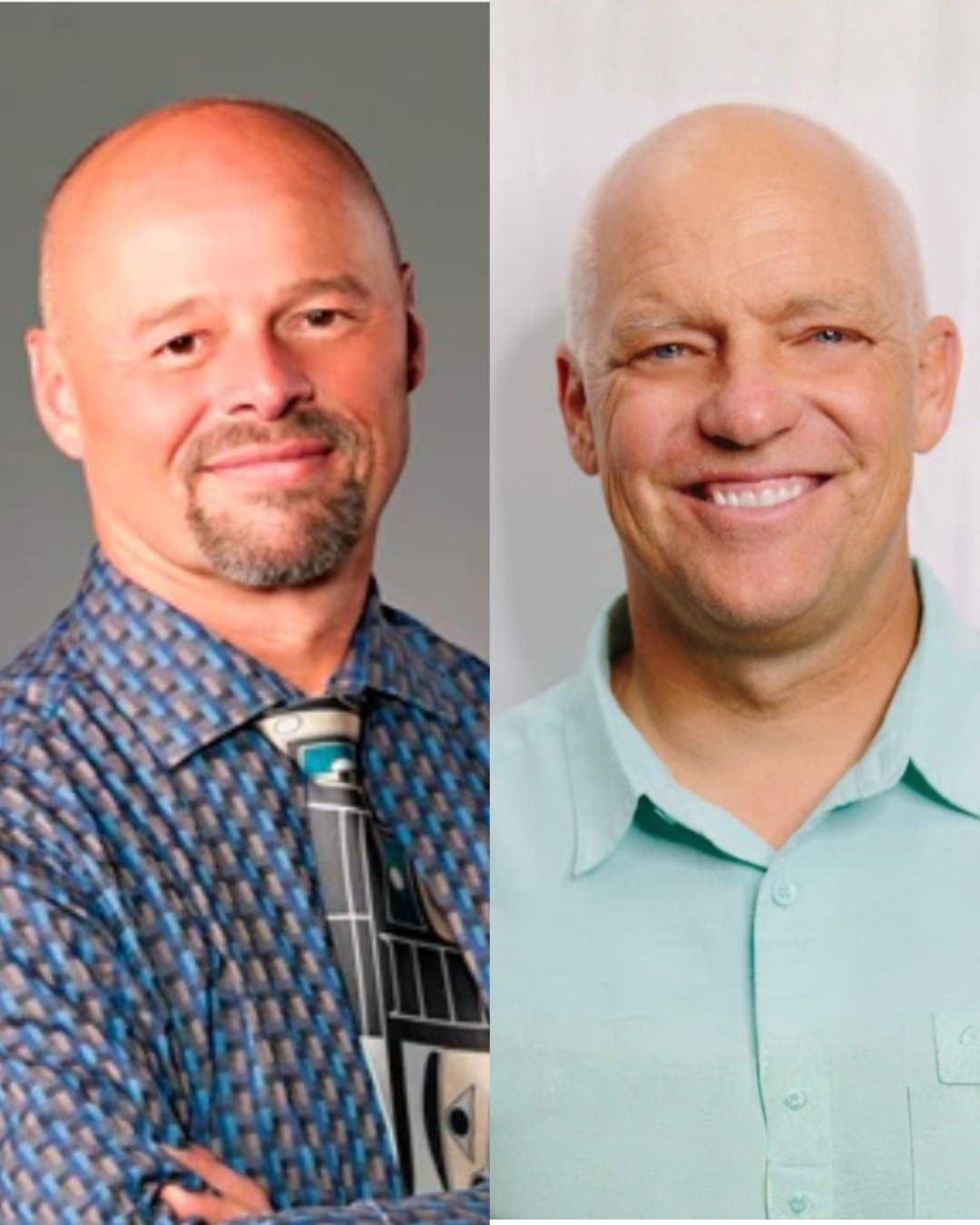
Dave graduated in 1978 as an engineering technologist and went on to work in the Faculty of Dentistry at the University of Alberta, where he designed TMJ diagnostic equipment, organized research projects, and taught physiology and advanced TMJ diagnostics. Observing high rates of anxiety in TMJ patients, he turned his attention to biofeedback — designing his first biofeedback devices and ultimately building a career at the intersection of physiology and brain stimulation.
In 1984, Dave designed his first Audio-Visual Entrainment (AVE) device — the DAVID1 — and founded Mind Alive Inc. For over four decades, he has researched and refined AVE technology for applications spanning relaxation, academic and sports performance, and the treatment of anxiety, depression, ADHD, PTSD, fibromyalgia, SAD, pain, insomnia, cognitive decline, and brain injury. In 2015, he identified a unique and underrecognized form of TBI prevalent in the general population, finding that AVE protocols can produce measurable neurological recovery in as little as 20 minutes in some cases.
More recently, Dave has focused on the glymphatic system and its role in CSF circulation — a connection with significant implications for Alzheimer's, Parkinson's, multiple sclerosis, and post-concussion syndrome. Following research demonstrating that photic stimulation can enhance CSF flow, he developed targeted AVE protocols for these populations, now in active clinical compilation.
Dave also designs CES, tDCS, and tACS devices, has published widely on brain stimulation technologies, and taught a 30-CEU course on Stimulation Technologies with the Behavioral Medicine Research and Training Foundation (2014–2020). He continues to conduct research, provide QEEG services, and develop new tools for mental wellness and performance.
When he's not dancing in his dendrites, Dave can be found flying RC aircraft, kayaking, caving, sailing, diving, or writing music.
Dave Siever is Owner of Mind Alive and may potentially benefit financially from the research findings presented herein.
Presenting: The Glymphatic System & Neurodegenerative Disease: Audio-Visual Entrainment as a Therapeutic “Pump”
Since the discovery of photic driving by Adrian and Matthews in 1934, much has been discovered about the benefits of brainwave entrainment (BWE) or audio-visual entrainment (AVE), as it is commonly known today. AVE increases cerebral blood flow, beneficial neurotransmitters, has profound calming effects, induces a meditative mind state, increases brain lactate, triggers heat-shock protective protein, stimulates the circulation of cerebral spinal fluid (CSF).
Research on the effectiveness of AVE in promoting relaxation, cognition and hypnotic induction, treating ADD, PMS, SAD, PTSD, migraine headache, chronic pain, anxiety, depression and episodic memory is now available. Recent discoveries have shown AVE to be a powerful means of recovery from traumatic brain injuries of a newly discovered type, termed thalamocortical disconnect. Poor circulation of CSF is associated with Alzheimer’s, Parkinson’s, Post Concussion Syndrome and Multiple Sclerosis. AVE has been shown to boost CSF circulation by 22% / minute. Case studies of these disorders are ongoing, with very positive results.
Education level: INTERMEDIATE
Content builds upon the learner's foundational knowledge, familiarity with the literature and/or experience in a content area. Programming at this level includes more depth than at a beginning level program. It could also serve as a refresher course for individuals who have a background in a content area and are interested in learning more contemporary applications. The primary goal of this particular program is to broaden the clinical, consultative, and research knowledge bases of attendees and was deemed intermediate, by the definition above. For those psychologists using the modality of biofeedback and interested in efficacy, science, and latest clinical applications. This conference presents research relevant to psychological practice, education, and science; (2) it is our intention to host an offering to help psychologists to keep up with the most current scientific evidence regarding assessment, intervention, and education; and (3) we believe that this program would allow psychologists to increase competencies to improve services to patients. This conference is IN NO WAY a substitute for the basic academic education and training needed for entry into the field of psychology.