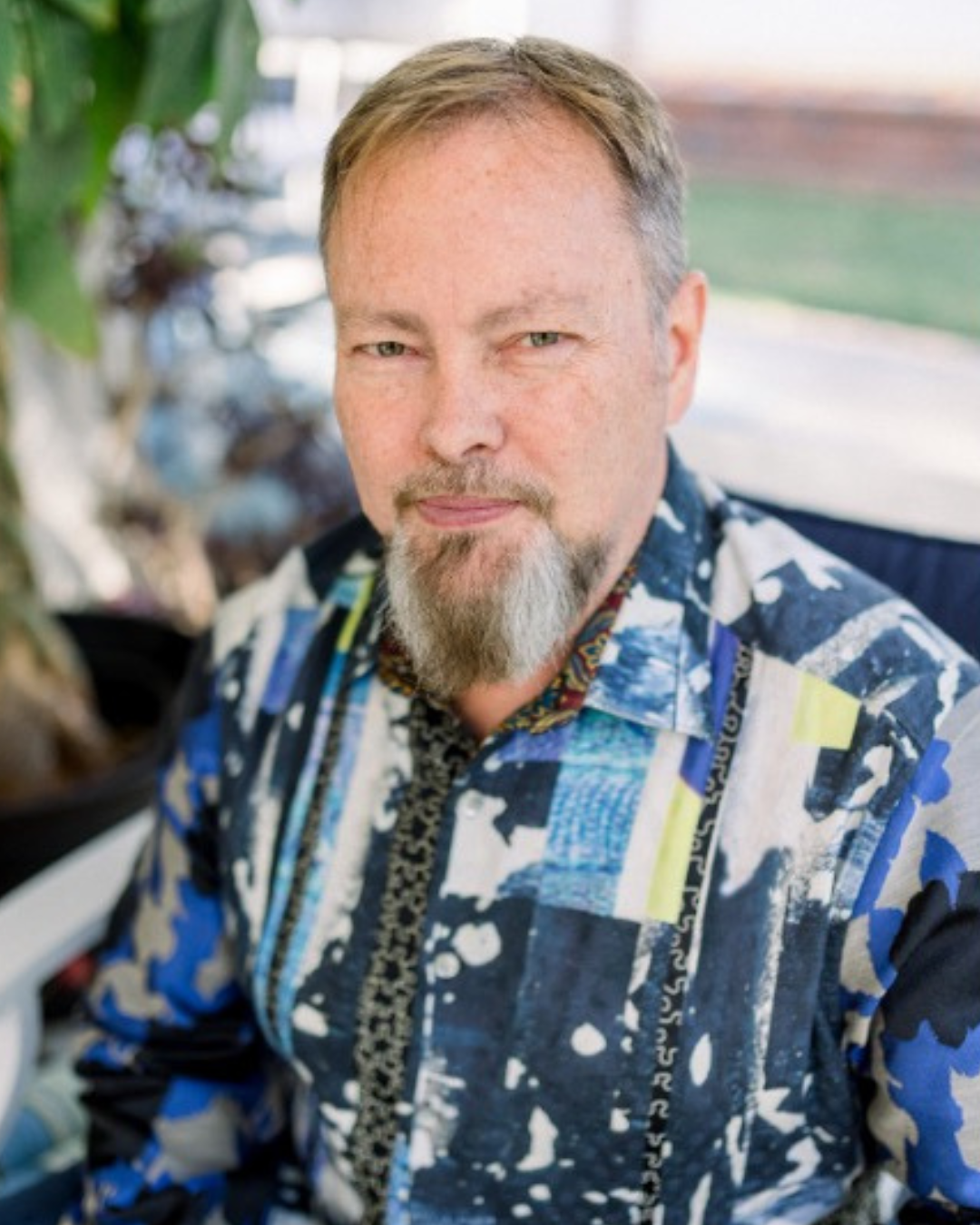
Drew Pierson, DAOM, L.Ac., M.Sc.
Dr. Drew Pierson, L.Ac., DAOM, M.Sc., is a clinical neurofeedback therapist with 25 years of private practice experience. He holds a doctorate in Traditional Chinese Medicine and has spent years researching entire-network neurofeedback training, working with clients ranging from clinical populations to peak performers. He is a former submariner and professional chocolatier.
Presenting: Brain Years: EEG as a Functional Biomarker of Neural Aging
Aging is accompanied by progressive changes in neural oscillations, information processing, cognitive control, and neuroplasticity. Yet our conventional measures of brain aging are often expensive, anatomically focused, and poorly suited to repeated measurement. What if the EEG could provide a functional clock of the aging brain and, more provocatively, allow us to observe whether that clock changes in response to intervention? This presentation examines emerging research on brain years: an EEG brain-based age model developed from 643 electrophysiological, behavioral, and demographic features spanning oscillatory activity, event-related potentials, cognitive performance, and interactions among neural variables. Using machine learning methods, the model predicted chronological age with high accuracy, suggesting that aging leaves a measurable distributed electrophysiological signature rather than a single EEG marker.
Education Level: INTERMEDIATE
Content builds upon the learner's foundational knowledge, familiarity with the literature and/or experience in a content area. Programming at this level includes more depth than at a beginning level program. It could also serve as a refresher course for individuals who have a background in a content area and are interested in learning more contemporary applications. The primary goal of this particular program is to broaden the clinical, consultative, and research knowledge bases of attendees and was deemed intermediate, by the definition above. For those psychologists using the modality of biofeedback and interested in efficacy, science, and latest clinical applications. This conference presents research relevant to psychological practice, education, and science; (2) it is our intention to host an offering to help psychologists to keep up with the most current scientific evidence regarding assessment, intervention, and education; and (3) we believe that this program would allow psychologists to increase competencies to improve services to patients. This conference is IN NO WAY a substitute for the basic academic education and training needed for entry into the field of psychology